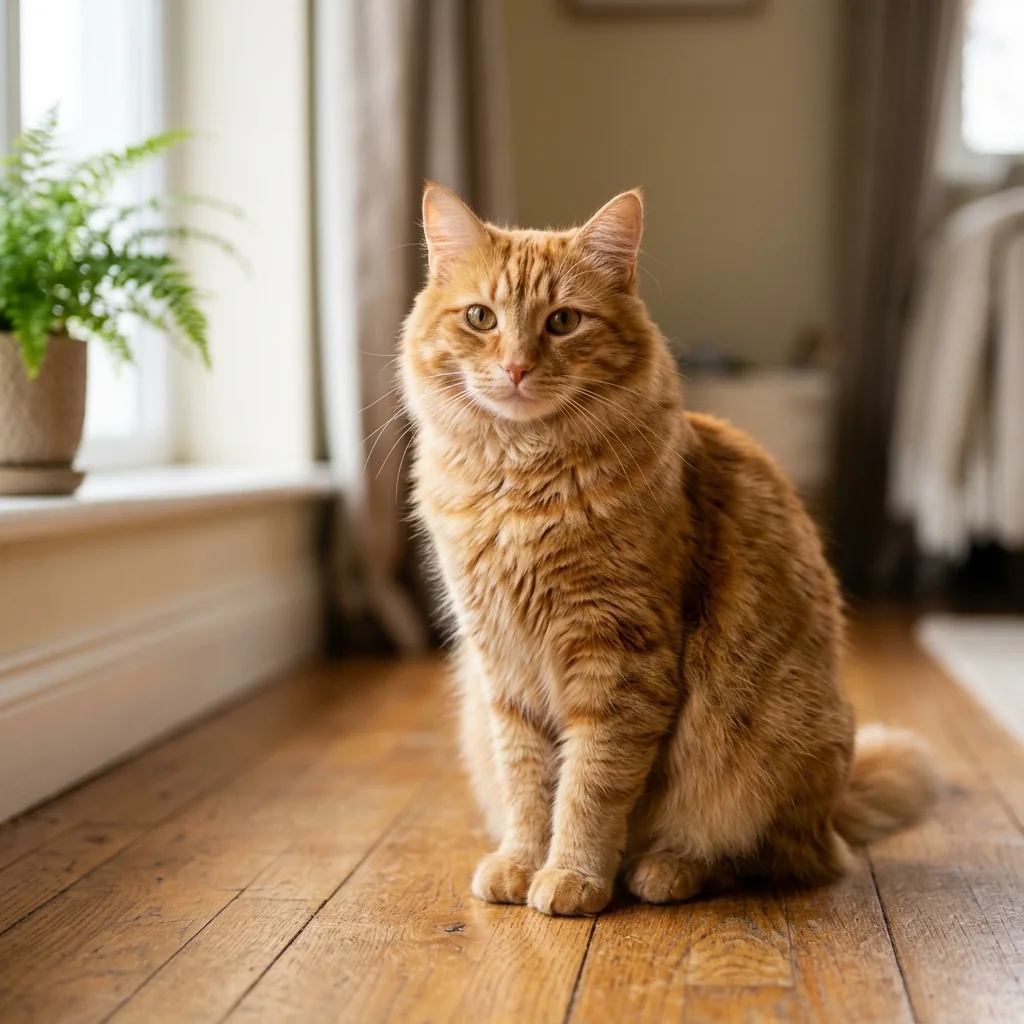
Orange tabby cat in soft natural window lighting

1. Lighting & Quality

The most important element of any reference photo is soft, natural light falling on the subject.

  • Seek Natural Light: Take photos during the daytime in a well-lit area, preferably near a window or outdoors.
  • Avoid Direct Sun: Direct sunlight creates harsh, unflattering black shadows. Overcast days or shaded areas work beautifully.
  • Keep It Natural: Do not use filters or heavily edit the photo. I need to see their true, natural fur colors to match the paints accurately.
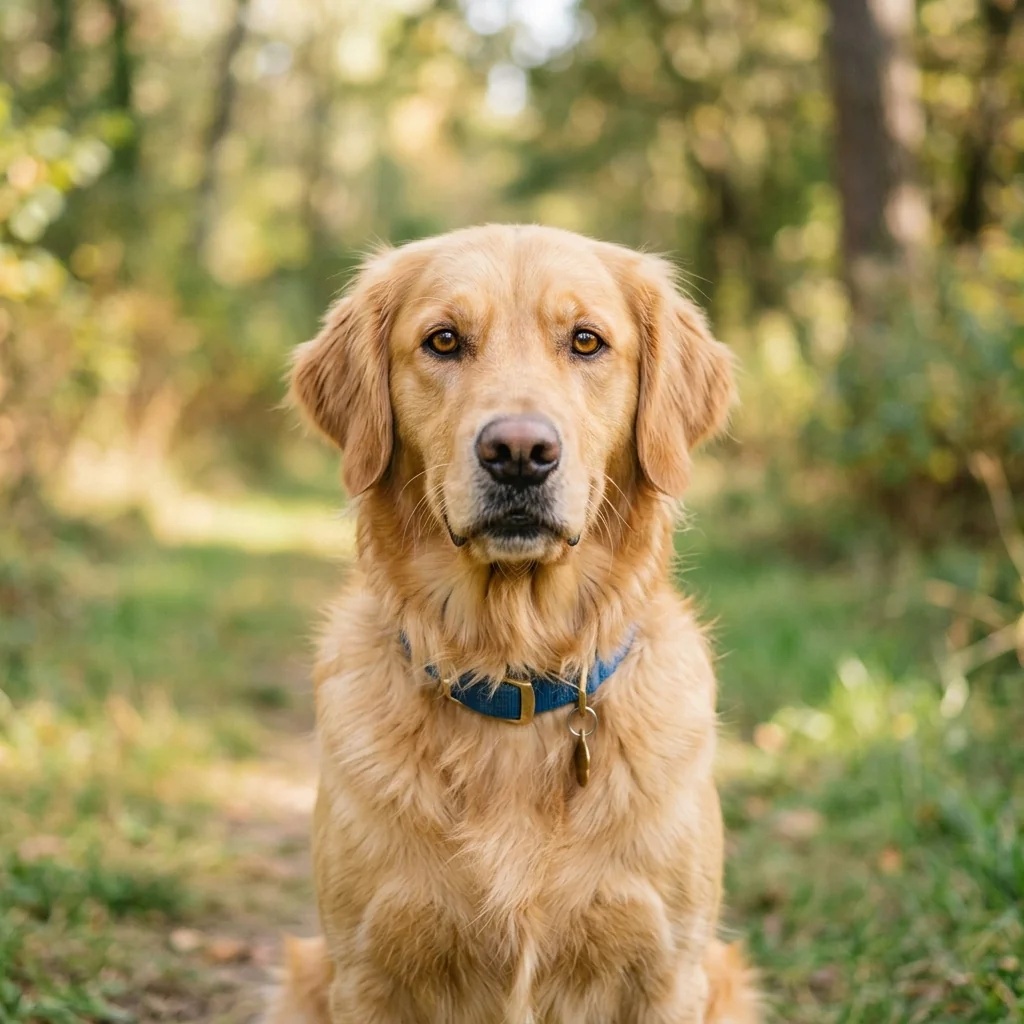
Golden retriever photographed perfectly at eye-level

2. Angles & Focus

A portrait depends heavily on the eyes. If they're distant or blurry, it becomes much harder to capture your pet's character.

  • Get Down to Eye Level: Don't photograph looking down at your pet. Kneel or lie down so the camera is perfectly level with their face.
  • Focus on the Face: Make sure their eyes are incredibly sharp, clear, and bright.
  • Frame Generously: Keep them centered with enough space around their head to allow for artistic cropping. Avoid cutting off parts of their ears!
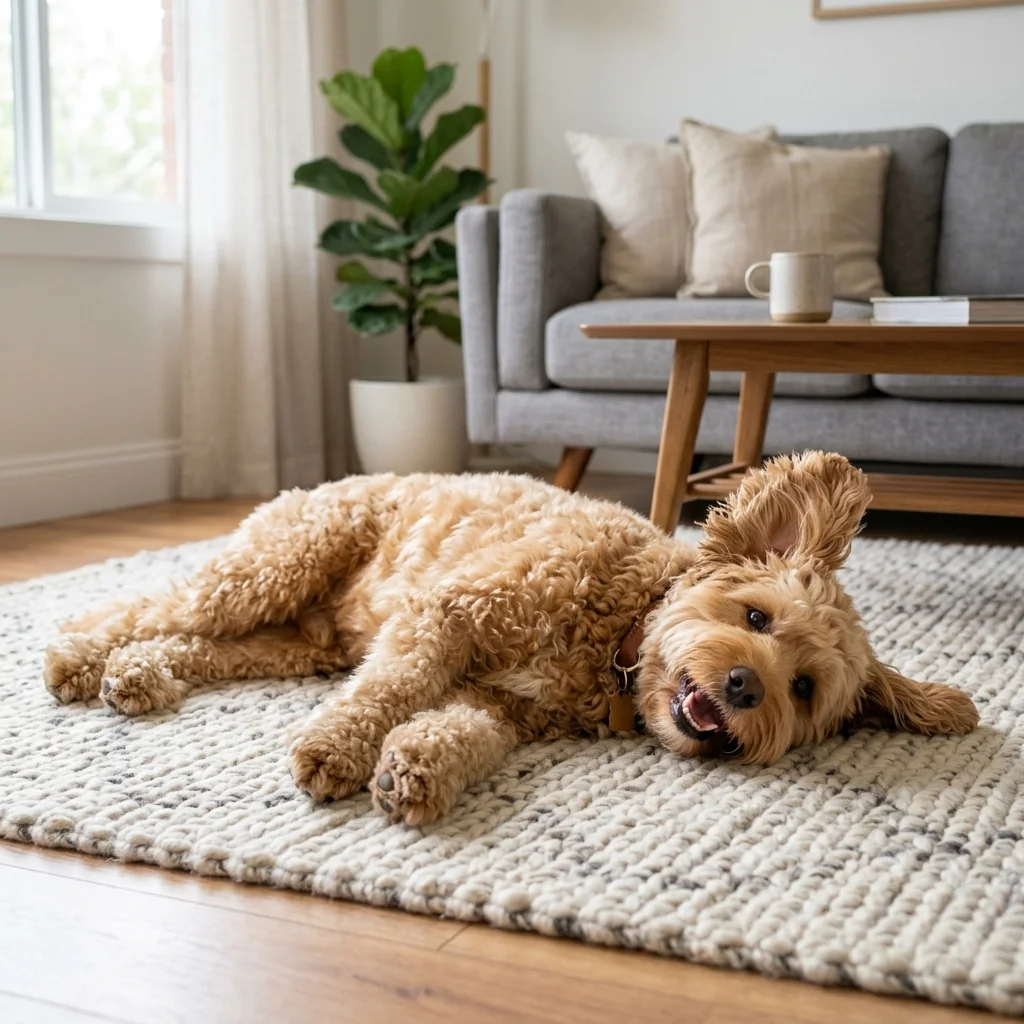
A joyful dog relaxing on a rug

3. Personality & Environment

Relaxed pets make the best subjects. Let them settle into their signature pose before taking the shot. A plain background helps your pet stand out, but don't worry too much—I will isolate them on pure white watercolor paper regardless.

  • Dogs: Take them for a short walk before the shoot to help them relax. Use high-value treats to hold their attention and grab that classic perked-ear look.
  • Cats: Use a quiet, safe room. Feather toys or tiny noises (like jingling keys) are perfect for getting that wide-eyed, curious stare without startling them.

Have a few photos you're considering? Send me a selection and I'll let you know which will work best for your portrait.

SEND ME YOUR PHOTOS

Or email directly: hello@stevenmcleanart.com